
Mailbag News
Flemington Racecourse Hub: Tips, Form Guide and Race Analysis
Flemington Racecourse is the most iconic racing venue in Australia. Home of the Melbourne Cup, the track demands a specific kind of form analysis — and rewards punters who understand its quirks rather than those who simply follow the market. This is The Mailbag's independent guide to Flemington: how the track plays, our favourite races, quirks of the mounting yard, and how we approach the form.
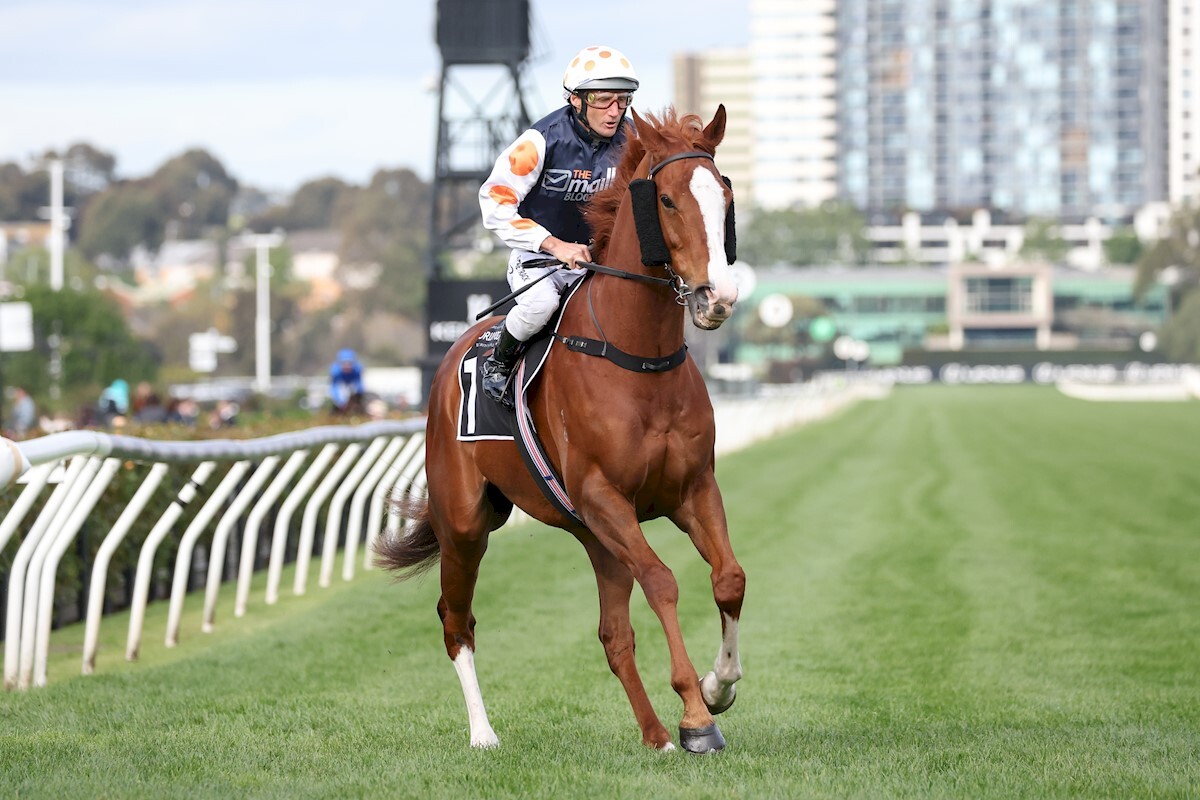
About Flemington Racecourse
Flemington sits in Melbourne's inner west, operated by the Victoria Racing Club (VRC) and hosting racing throughout the year with a pronounced lean toward the Spring Carnival. We call it "headquarters". It is a left-handed track with a long, sweeping home straight for the races around the circle — at roughly 450 metres, one of the longest in the country — and a distinctive configuration that separates it from every other major metropolitan circuit in Australia.
That long straight is the defining feature for punters. Horses that are still travelling at the top of the straight have an enormous runway to work with, and with the right run genuine stayers are rarely found wanting for distance at Flemington the way they might be at a tighter track. Trainers always refer to wanting to hit the front at 'the clock tower' located around 150m from the finish, although the way some of the media portray it you'd think there would be further to go. Leaving your run until the clock tower could be too late!
The course also races a straight 1200 metres — the Flemington 'straight six' — which is a unique surface used for sprinting races that produces its own form entirely separate from the round course and the other sprint circuits found at Caulfield, Moonee Valley or indeed anywhere else. Horses that handle the straight course don't always transfer that form to round course racing, and vice versa, and finding the 'right side of the straight' can often be crucial to winning.
How the Track Plays
Understanding Flemington's bias, patterns and sometimes the lack of either is essential before backing anything prior to the day. On raceday, monitoring the position in run of the favourite and place-getters can provide helpful clues to how the day could be unfolding, but race tempo is equally, if not more important, at Flemington.
On good and firm surfaces, Flemington is expected and tends to play genuinely fair. It is one of the better-draining tracks in the country and recovers well after rain. The long straight means backmarkers can run on strongly with a favourable race-shape and genuinely threaten front runners, so the track doesn't inherently suit a particular race style the way some circuits do.
On soft and heavy going, the picture changes. Wet tracks at Flemington can be unpredictable in terms of lane bias — the ground closer to the rail can cut up under heavy traffic, pushing the advantage toward horses that can find a cleaner path through the middle to wider sections of the track, especially with straight racing on a busy card. Conversely, lighter rains and favourable winds can cause the track to play 'slick', meaning horses on-pace who appreciate the going can keep kicking. In winter racing, this is a recurring pattern worth watching from the early races before committing to any play.
Rail position matters significantly, and the changes between rail positions during the busy carnival periods can dictate compacted ground for the next meeting.
The straight course plays best when the track is on the firmer side — wet ground on the straight can be genuinely chaotic for sprint races, with horses finding varying patches of ground, or 'lanes', and results that can difficult to replicate.
Key Races at Flemington
Flemington's racing calendar is anchored by the spring carnival — traditionally the biggest four weeks in Australian racing — but the track hosts quality racing year-round.
The Spring Carnival
The VRC Spring Racing Carnival runs across Saturdays in October and November and represents the pinnacle of Australian flat racing. We'll focus on the Flemington features that matter in 2026.
Turnbull Stakes (2000m, Group 1, Weight For Age or WFA) — the traditional Melbourne Cup lead-up that opens the carnival, often used as a final hit-out by genuine Cox Plate and Cup contenders and stayers returning from the Sydney spring.
Cox Plate (2040m, Group 1, WFA) — run at Moonee Valley, but again part of the same form web and will be held at Flemington in 2026.
Coolmore Stud Stakes (1200m, Group 1, 3YOs) — the real headline affair of Derby Day, the 'stallion making race' but is also open to fillies looking to upset the starry-eyed connections looking for a big win fall. Straight form is key, with often inexperience counting against those seeing the track for the first-time, but attitude on the day is often a big consideration with many juvenile runners not having experienced a big crowd before!
Victoria Derby (2500m, Group 1, 3YOs) — Derby Day opens Flemington's Cup Week, and the Derby itself is one of the weaker features. Horses that can see out a genuine 2500 metres at three are rare, especially still relatively early in their season, and the form is often held in too-high esteem heading into the summer. It's worth considering tempo and the weaker class compared with open grade they will meet as 4yos and older. It's also rare to see fillies competing in both Derby in recent years, with most trainers opting to solely target the Oaks.
Melbourne Cup (3200m, Group 1, handicap) — the 'race that stops the nation'. The world's richest handicap at 3200 metres rewards genuine stayers with a clean run. Given the increasing international form, it's one of the more difficult races to assess, converging in the first week of November. Track pattern, race tempo and the capacity 24-horse field are the real X-factors of the race which continues to produce rough results over the last 10 years.
Crown Oaks (2500m, Group 1, 3YO fillies) — the fillies' equivalent of the Derby, run on Oaks Day (the Thursday of Cup week). The Oaks could be argued to be a stronger race than the Derby in terms of producing talented fillies and mares that continue further in to their careers, but the same queries over the 3yo staying form persist for us going forward to open grade.
Champions Sprint, Mile and Stakes (1200m-1600m-2000m, Group 1, WFA) — closing day of the carnival brings weight-for-age racing across the three distance ranges and is fast becoming the biggest day of Cup Week. One of the few opportunities (seemingly now) that racing fans can watch the best of the Sydney, Melbourne, interstate and international runners do battle, without any other competing races taking away the attention of connections.
Year-Round Features
Australian Guineas (1600m, Group 1, 3yos) — one of the premier mile races for three-year-olds transitioning from the summer into autumn in March, but somewhat cannibalised by the competition in Sydney with the Randwick Guineas and Rosehill Guineas.
Australian Cup (2000m, Group 1, WFA) — weight-for-age at 2000 metres in the autumn, traditionally attracting the top middle-distance horses. Somewhat neglected in recent times and facing stiff competition from features in Sydney, as well as the All-Star Mile in Melbourne.
Newmarket Handicap (1200m, Group 1, Handicap) — one of Australia's most prestigious sprints, run on the straight course in early March. Often attracts a capacity field with the handicap conditions. Speed-maps are key to this, often seeing a split in the field to the inside and outside and any discrepancy in tempo early can produce lopsided results!
Black Caviar Lightning Stakes (1000m, Group 1, WFA) — the opening sprint feature of the autumn carnival, 1000 metres on the straight track, attracting the country's best sprinters. Often a target for 3yos resuming to capitalise on the WFA conditions.
Form Notes for Flemington
A few principles The Mailbag applies consistently when assessing Flemington form:
The straight is decisive and its own beast: speed maps are key, and predicting any inside vs outside bias and likely runners can go a long way to helping narrow the field. Straight form is important, but it's also worth checking for previous jump-outs and trials down the straight for clues for the untested.
Sectionals matter enormously: the long straight means sectional data from the 400 and 200-metre marks is highly informative. Sectionals from Punting Form have helped immensely in our form analysis over the journey.
Wet track history counts, but not as much as it does elsewhere: Flemington drains better than probably every other surface in Australia. Heavy rain and a heavy track at Flemington is likely to hold up better than the equivalent at most other racecourses. Observe prior heavy form when the conditions call for it, but don't discount any runner unless they have proven to fail in the wet.
The mounting yard is the best in Australia: but it will make you work! Travelling from the stables to the mounting yard and back again will clock up roughly 400m per race, but it's worth doing for those diehards who value the parade intel. Luckily, we do that for you with our Mounting Yard Mail part of our Saturday service!
How The Mailbag Approaches Flemington
The Mailbag is an independent racing tips and analysis service. No bookmaker backing, no house interest, we send what we bet ourselves — just form analysis done properly and published for subscribers who want an edge rather than entertainment.
For Flemington racing, that means:
- Speed map and form work done before looking at the market, so we know what tempo and race shape to expect before prices influence the thinking
- Sectional analysis across recent runs, not just finishing positions
- Track and historical rail configuration and performance are factored in before any assessment of where horses settled in running
- Wet track form assessed separately and weighted more heavily when conditions require
- Market moves treated as information, not instruction — we note significant market support, but we don't follow it blindly. We've spent years monitoring the moves and analysing what they mean!
Our analysis covers all major Flemington meetings through the year, with deeper coverage during the spring carnival when the card quality and betting volume justifies the additional work.
Latest Flemington Tips and Analysis
Recent Flemington coverage from The Mailbag includes previews and reviews from Jack Dickens, who covers Victorian and eastern states racing and appears regularly on Racing HQ with Dave Stanley, plus our Mounting Yard Mail man Pistol Pete who contributes to Giddy Up with Gareth Hall on SENTrack. Both are based in Melbourne and attend Flemington trackwork, trials and race meetings throughout the year.
Get Independent Flemington Tips Every Week
The Mailbag delivers independent form analysis and tips for Flemington and all major metropolitan meetings through a subscription service with three tiers to suit different punting styles and budgets.
No bookmaker backing. No house interest. No noise.
Hear Jack Dickens' latest Flemington analysis and race-day commentary on The Mailbag Radio page →
Other Stories
-

Belmont Park Preview Saturday June 6: Pistol Pete on the Raconteur Stakes as winter hits Overdrive
Belmont Park has a genuine feature race on Saturday with the Raconteur Stakes headlining, and Pistol Pete Anthonisz joined Gareth Hall on SEN Track's Giddy Up to work through the card. Pistol's got a clear best bet and a two-pronged Race 9 play
-

Flemington Preview Saturday June 6: Dicko on Six Races Worth Playing
Jack Dickens joined Dave Stanley on Racing HQ ahead of a big Flemington Saturday, and the card is loaded. Six races in the preview, a couple of horses Dicko owns, one he used to own, and a filly he reckons should be half the price she's trading at
-

Caulfield Review Saturday June 27: Dicko on Track Conditions, the Bias Debate, and Portinari as the One to Follow
Jack Dickens reviews Caulfield — why the track actually played fair, the bias debate he's tired of, and Portinari as the standout horse to follow next start.